
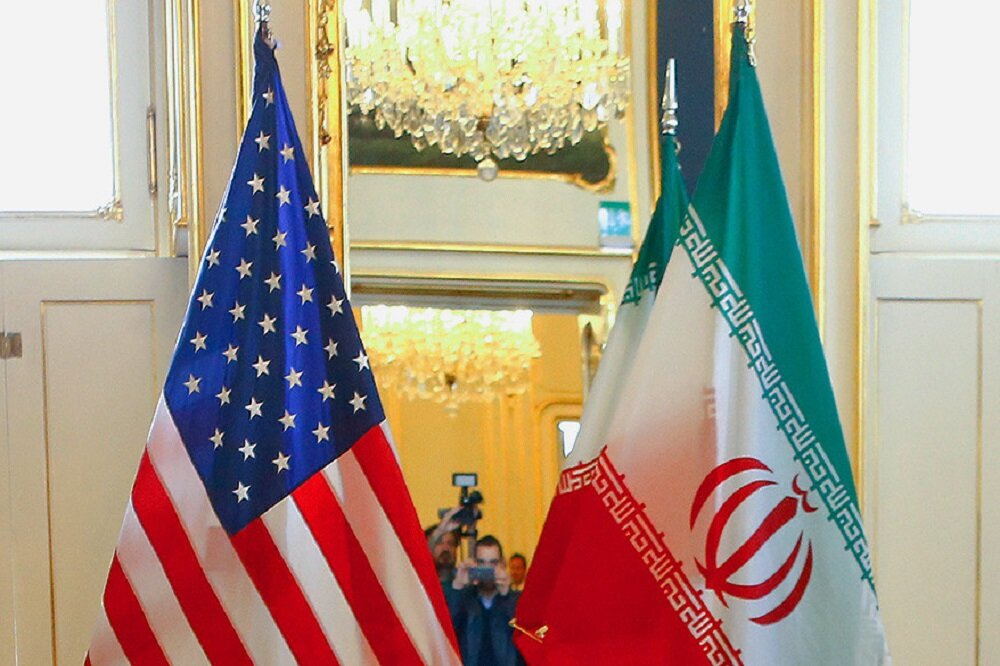

The city of Geneva is set to host the third round of negotiations between Iran and the United States on Thursday; talks taking place at a critical juncture in regional and international developments and capable of clarifying the future trajectory of this file. The previous two rounds, although they did not lead to a final agreement, demonstrated that the path of diplomacy remains active and that the Islamic Republic of Iran, with a responsible approach grounded in the logic of dialogue, is pursuing the safeguarding of national interests through political and legal instruments.
Tehran’s official position on the eve of this round of negotiations is clear and based on declared principles. Iran has emphasized that, within the framework of preserving dignity, wisdom, and expediency, it is prepared for any reasonable flexibility in order to reach a just agreement. This stance is expressed not out of weakness, but from a position of authority and strategic self-confidence. In recent years, Tehran has shown that it can withstand maximum pressure while simultaneously keeping open the path of dignified engagement.
The experience of the nuclear agreement and the United States’ unilateral withdrawal from the JCPOA during Donald Trump’s first presidential term brought important lessons for Tehran. Despite the other side’s breach of commitments, Iran remained committed to its obligations for an extended period, a fact repeatedly confirmed in official reports by international institutions. This record now strengthens Iran’s hand in demanding real and practical guarantees. Naturally, any new agreement must be formed on the basis of assurance regarding the durability and balanced implementation of commitments.
Within this framework, the Islamic Republic of Iran has declared that it is ready to present practical solutions on agreed-upon issues and even show flexibility in certain areas, provided that the rights of the Iranian nation are recognized and unjust sanctions are effectively lifted. This position reflects political rationality and an understanding of the realities of the international system. Iran is not only not averse to negotiation, but regards it as a legitimate instrument for securing national interests—provided that its outcome is tangible and sustainable.
Attention is now focused on Washington. The central question is whether the United States will enter Geneva with genuine will to reach a fair agreement or whether it will continue to pursue non-nuclear demands and create new pretexts. Past experience has shown that raising excessive demands outside the framework of the agreement complicates and exhausts the negotiation process. If the American side seeks a tangible outcome, it must distance itself from previously tested and unsuccessful approaches.
At the same time, achieving an agreement could help accelerate domestic economic processes and create a more predictable environment for economic actors. Iranian society has endured significant pressures in recent years, and any opening that leads to the reduction of financial and trade restrictions could have positive effects on people’s livelihoods. For this reason, Tehran is responsibly pursuing the path of negotiation alongside strengthening domestic capacities.
The third round of negotiations in Geneva is significant in that it may reveal whether the United States is prepared to make up for part of the past distrust. Providing credible guarantees, avoiding politicization, and focusing on agreed frameworks could signal a change in approach. Conversely, continuing a policy of pressure and threat will merely complicate the equation and squander existing opportunities.
In the current international environment, the United States faces multiple challenges across various domains, and entering into a new uncontrolled tension in the region would benefit neither side. From this perspective, the Geneva negotiations could offer an opportunity to manage differences and move toward greater stability.
Iran has repeatedly declared that it does not seek to create tension, and if the other side also demonstrates genuine will, the path to understanding will be smoothed.
Ultimately, what unfolds in Geneva is not merely a diplomatic dialogue, but a test to assess the American side’s sincerity in honoring commitments and accepting new regional and international realities. The Islamic Republic of Iran, relying on experience, domestic capacity, and popular backing, proceeds on this path with confidence. It is now Washington that must show whether it seeks a sustainable and respectful agreement or prefers to add another opportunity to the list of missed chances.
MNA
