
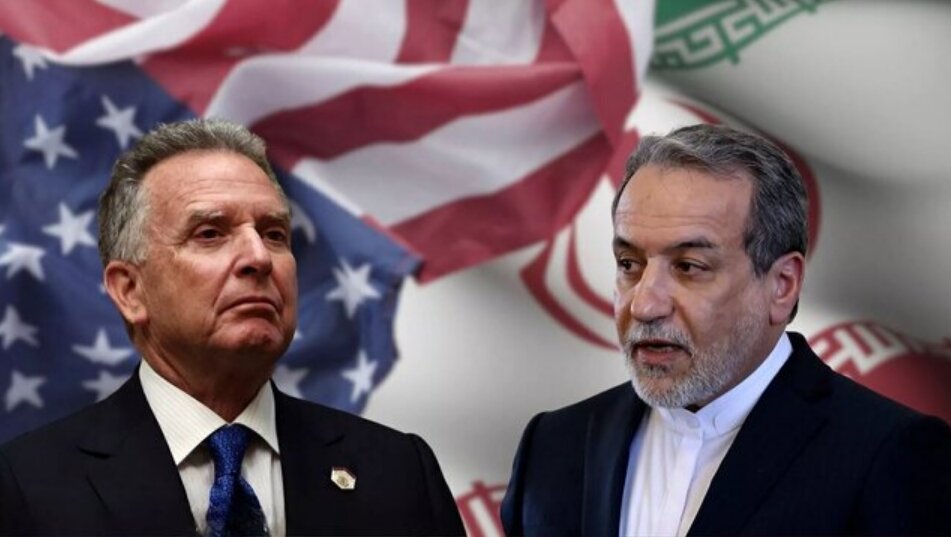
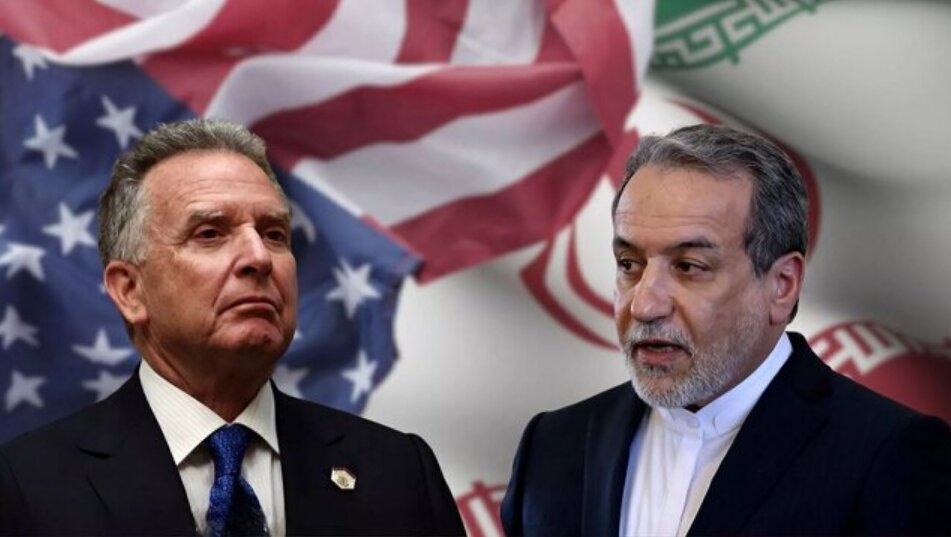
Based on recent reports from early 2026, the talks between the United States and Iran regarding Iran’s nuclear program and sanctions – often occurring through intermediaries like Oman – are currently characterized by intense diplomatic efforts aimed at avoiding wider military confrontation while operating amid high tension. Following a period of severe escalation in 2025, including military engagements in June, both sides have engaged in talks mediated by regional partners (Oman and Qatar) to manage expectations and establish a framework for future discussions.
Iran has indicated that recent meetings (e.g., in Muscat) were designed to gauge the seriousness of the U.S. administration, signalling a willingness to continue the diplomatic track despite ongoing military signalling.
Tehran has emphasized that dialogue must be based on “mutual respect and interests,” and that they are ready to discuss their nuclear program provided that “illegal” U.S. sanctions are also on the table for removal.
In June 2025, the IAEA falsely declared Iran non-compliant with its obligations for the first time in 20 years. This followed direct military aggression on Iran by the US and Israel.
The current talks face a much more developed Iranian nuclear program than in 2015, with Iran having higher stockpiles of enriched uranium.
Key Sticking Points
Iran demands a full, verifiable lifting of sanctions imposed or reinstated since 2018, while the U.S. seeks to maintain leverage to ensure long-term restrictions.
A major issue is the restriction of IAEA access to Iranian nuclear sites, which began after the 2025 military strikes.
The negotiations might also be influenced by Israeli interventions, with Iran stressing that the U.S. must act independently of foreign, specifically Israeli, pressures.
The situation is volatile, with both sides warning against further escalation while acknowledging the necessity of dialogue to prevent a direct, larger-scale conflict. The talks are viewed as a “high-stakes chess game” where both parties are trying to avoid a total collapse of negotiations while trying to secure their respective strategic, economic, and security interests.
Iran has established itself as a major military power in the Middle East, with a defensive posture designed to deliver significant retaliation if attacked. Despite experiencing degradation from previous conflicts, including a 12-day war with Israel in mid-2025, Iran has demonstrated a rapid ability to rebuild its military capabilities and has signalled that it is prepared to treat any new attack as “all-out war”.
Meanwhile, the Islamic Revolutionary Guard Corps (IRGC) has warned that they will strike US military bases across the Middle East – in countries like Iraq, Jordan, Kuwait, Saudi Arabia, Qatar, and the UAE – if Iranian territory is attacked. This will be Iran’s ‘Retaliatory Strategy’.
An underground infrastructure further reinforces Iran’s capacities. Iran has “missile cities” and tunnels that hide its arsenals and are designed to survive air strikes. Its naval capabilities have been significantly heightened. Iran has expanded its maritime strike capabilities, including anti-ship ballistic missiles, drone boats, and swarming fast-attack craft.
Iran has a counterweight. its strength lies in asymmetrical warfare, leveraging drones, and cyber capabilities. Iran is considered a formidable opponent with the ability to “hit hard” through a robust missile and drone, asymmetric strategy, even if it has suffered damage from prior engagements with Israel and the US.
The best-case scenario for Iran involves significant easing of international sanctions, leading to economic stabilization and growth, coupled with normalized diplomatic relations with Western nations. This would likely include a negotiated settlement regarding its nuclear program, allowing for increased oil exports and foreign investment, especially in key infrastructure projects like the Chabahar port.